1. Why Africa Must Invest in Scientific Research
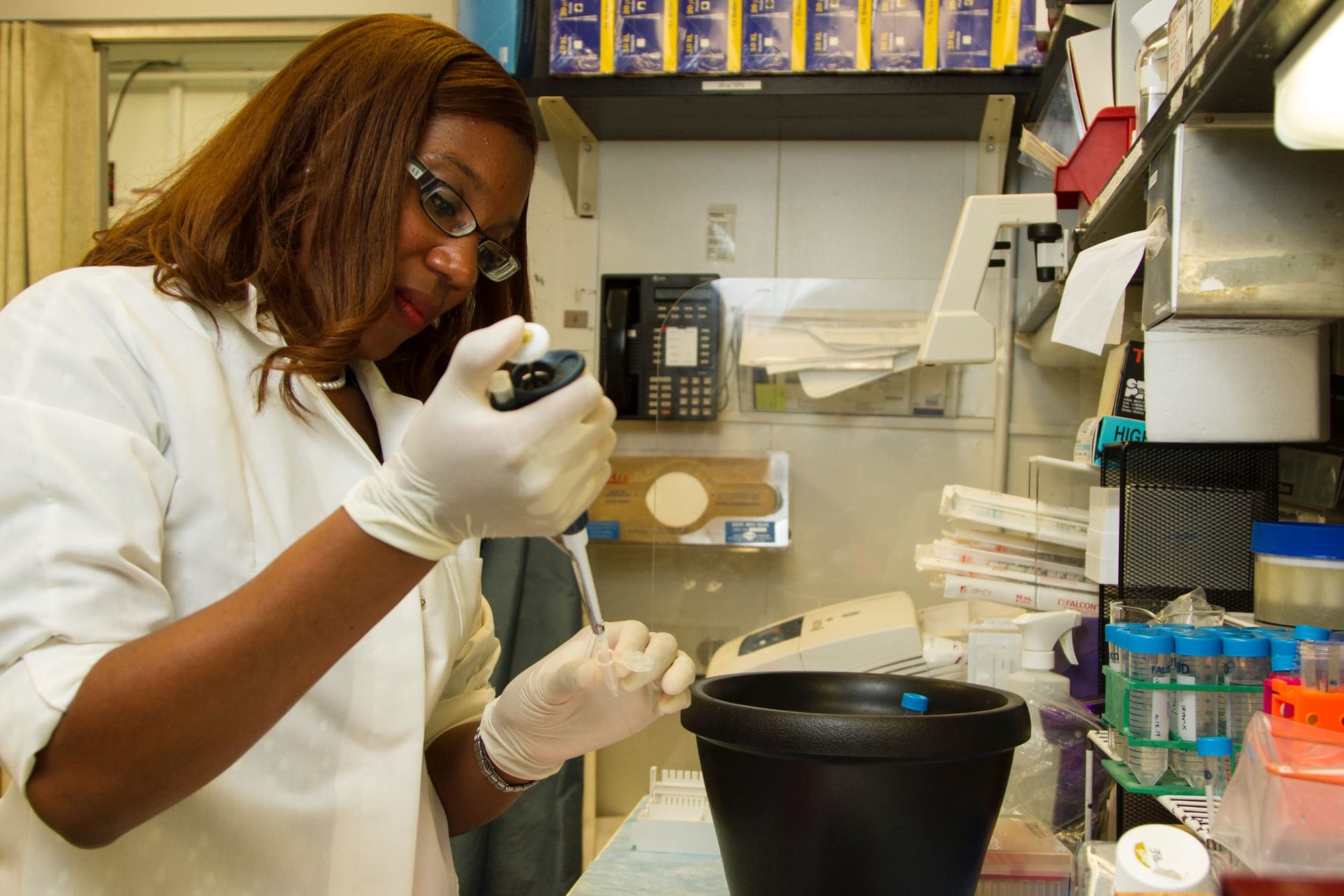
Africa is entering a decisive era in its development, defined by rapid population growth, climate vulnerability, health challenges, and technological transformation. At the center of Africa’s ability to respond to these pressures lies scientific research. Yet, despite these realities, Africa continues to invest minimally in research and development (R&D), contributing less than two percent of global scientific output. This imbalance threatens the continent’s long-term progress and independence.Scientific research is not an abstract academic exercise; it is the engine of national development. Countries that have transitioned from poverty to prosperity across Asia, Europe, and the Americas did so by investing heavily in science, innovation, and knowledge production. Research drives industrial growth, strengthens healthcare systems, improves agricultural productivity, and enables evidence-based policymaking.Africa’s limited investment in science has created a dependency on externally generated knowledge and technologies. From pharmaceuticals to agricultural inputs, African nations often import solutions that are expensive, poorly adapted to local contexts, and unsustainable. This dependency weakens economic sovereignty and leaves African societies vulnerable during global crises, as seen during pandemics and supply-chain disruptions.Investing in scientific research allows Africa to generate homegrown solutions tailored to its unique challenges. Research conducted locally is more likely to address region-specific diseases, environmental conditions, and socio-economic realities. It also fosters innovation ecosystems that create jobs, retain talent, and reverse the persistent brain drain.Furthermore, research investment empowers young people. Africa has the world’s youngest population, yet millions of talented students lack access to laboratories, mentorship, and funding. Strategic investment in universities, research institutes, and innovation hubs would unlock this immense human potential.Ultimately, investing in scientific research is not optional—it is essential. Without science, development efforts remain fragile and reactive. With science, Africa can shape its own future, assert its place in global knowledge production, and build resilient, self-reliant societies.